
Class Act Interpreting Draws on Decades of Experience to Aid California Organizations Address Modern Accessibility Needs
Nov 24, 2026

California accessibility provider highlights its longstanding experience in government, education, and professional communication while emphasizing the importance of choosing the right interpreting, captioning, and assistive technology solutions.
Elk Grove, California Nov 23, 2026 (Issuewire.com) - As government agencies, educational institutions, businesses, and event organizers navigate increasingly complex communication accessibility needs, Class Act Interpreting is drawing on decades of industry experience to help organizations make more informed decisions about American Sign Language (ASL) interpreting, Communication Access Realtime Translation (CART), remote interpreting, and emerging speech-to-text accessibility technology.
With an operating history tracing back to 1980, Class Act Interpreting has developed extensive experience coordinating communication access across public agencies, higher education, professional environments, and community programs throughout Sacramento and Northern California.
The company is reinforcing its role as an accessibility resource by emphasizing a critical principle: effective communication access begins with understanding the individual and the environment, not simply selecting a service.
Decades of Experience Supporting Complex Accessibility Needs
Class Act Interpreting's history includes coordinating professional interpreting and captioning services for government programs, educational institutions, workplace settings, conferences, and specialized public-sector jobs.
These environments often involve far more than scheduling a qualified professional.
Government and educational jobs may require coordination across multiple locations, detailed procurement procedures, specialized interpreter qualifications, institutional security requirements, and changing schedules. Conferences and public events introduce additional considerations involving speaker arrangements, audiovisual systems, multiple participants, and accessibility planning.
Class Act's experience navigating these challenges has shaped an approach that considers both the communication needs of participants and the practical requirements of the organizations serving them.
As a referral company, Class Act connects organizations with independent interpreting and captioning professionals suited to their specific jobs, helping coordinate appropriate services for different communication environments.
Helping Organizations Understand Their Accessibility Options
One of the most persistent challenges facing organizations is understanding the differences between available communication accessibility solutions.
ASL interpreting, professional CART captioning, Video Remote Interpreting (VRI), and automated speech-to-text technology each offer distinct capabilities. Choosing an appropriate solution requires consideration of participant preferences, communication complexity, location, technology, and the purpose of the interaction.
Professional ASL interpreting supports communication between individuals using sign language and spoken language. CART provides real-time, human-generated captions for spoken communication. Remote interpreting offers additional flexibility when the technology and setting are appropriate.
Newer accessibility technologies can provide additional options, but they should be evaluated alongside professional human services rather than automatically treated as replacements.
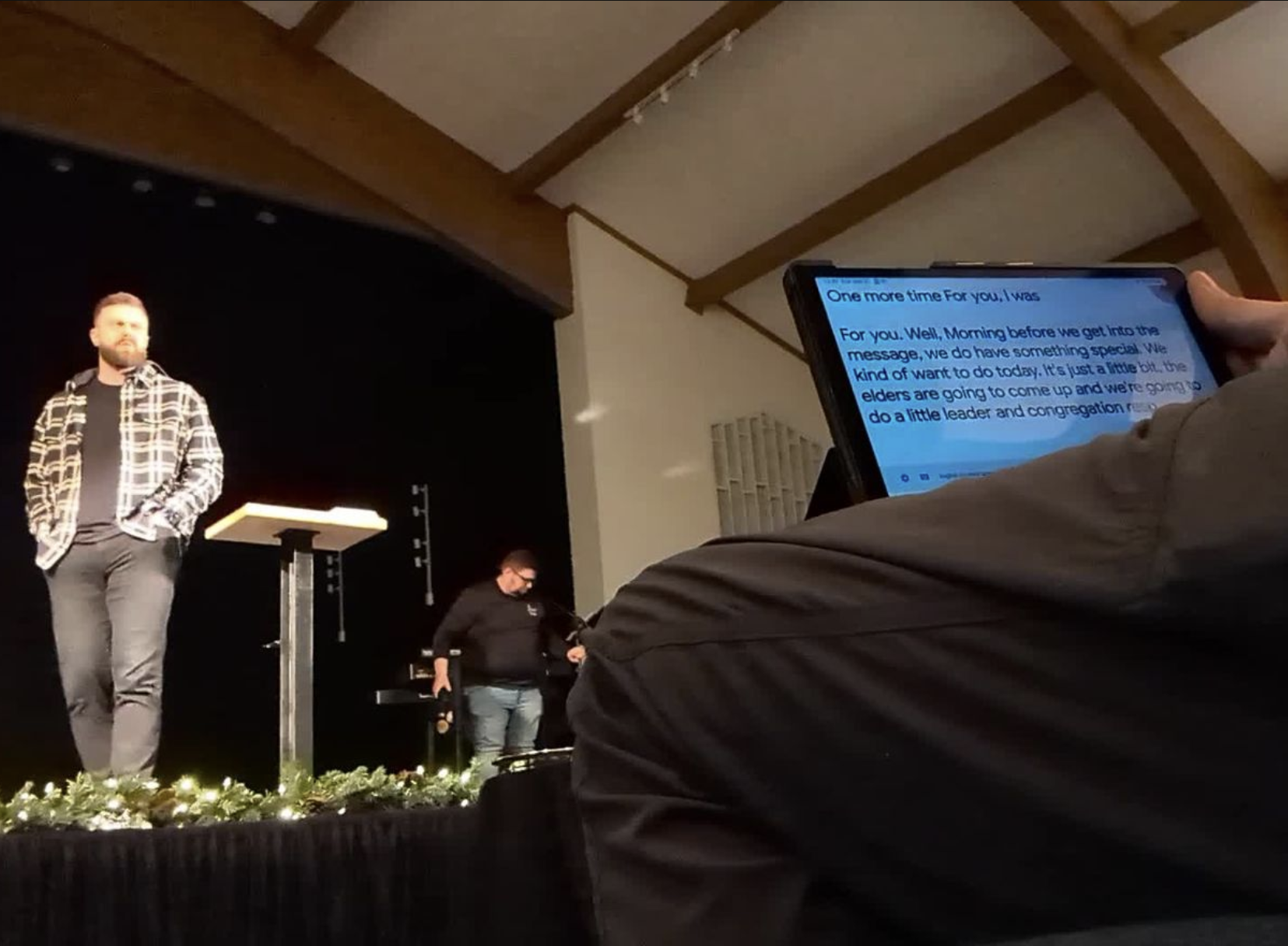
Class Act also offers Caption Companion, a portable speech-to-text accessibility device designed to provide real-time captions without requiring an internet connection or ongoing subscription. The technology can serve as an additional communication resource in educational, professional, and public environments where its capabilities fit the user's needs.
By helping organizations understand these distinctions, Class Act aims to support accessibility decisions based on practical communication requirements rather than assumptions about which service or technology is best.
Why Early Accessibility Planning Matters
Class Act's experience coordinating accessibility services has highlighted a recurring issue: organizations frequently underestimate the planning required to provide effective communication access.
In many cases, the greatest challenges arise not from the accessibility service itself but from the logistics surrounding its implementation.
Purchase-order approvals, contract requirements, scheduling deadlines, venue arrangements, travel considerations, technology setup, and administrative coordination can create unnecessary complications when addressed too late.
Organizations that begin accessibility planning early are better positioned to identify appropriate professionals, address technical needs, and clarify the responsibilities of everyone involved.
The company encourages organizations to consider several questions before requesting accessibility services:
- What are the actual communication needs and preferences of the participants?
- Is professional interpreting, real-time captioning, or another accessibility solution most appropriate?
- Are specialized qualifications or multiple professionals required?
- What logistical, technical, or procurement requirements must be addressed?
- How will changes in scheduling, location, or technology be handled?
These considerations are particularly important for government agencies, higher-education institutions, and organizers of complex or multi-day events.
Supporting Accessibility Across Government, Education, and Professional Environments
Government and higher education remain two significant areas of Class Act's experience.
Public agencies must consider accessibility across meetings, training programs, public services, and institutional operations. Educational organizations face additional challenges involving classroom communication, student accessibility, lectures, campus activities, and recurring service requirements.
Class Act's background in these environments has helped the company develop familiarity with institutional scheduling, professional coordination, administrative requirements, and the importance of maintaining consistent communication access.
The company's services also extend to conferences, workplace meetings, public programs, remote communication, and specialized professional settings.
This broad experience supports Class Act's continuing focus on helping organizations evaluate accessibility as a coordinated process rather than an isolated service request.
Expanding the Conversation Around Accessibility
As communication technology evolves, Class Act is placing greater emphasis on helping organizations understand the advantages, limitations, and appropriate applications of different accessibility options.
The company is developing educational resources addressing frequently asked questions about interpreting services, professional captioning, accessibility planning, service coordination, and speech-to-text technology.
The goal is to make practical information more accessible to organizations responsible for arranging communication support, while reinforcing the importance of individualized accessibility decisions.
Rather than suggesting a single solution for every environment, Class Act encourages organizations to evaluate each situation based on the people involved, the type of communication taking place, and the professional or technological resources required.
For organizations navigating increasingly complicated accessibility responsibilities, this approach combines longstanding professional experience with a broader understanding of modern communication solutions.
About Class Act Interpreting
Class Act Interpreting is a Northern California accessibility services referral company connecting organizations and individuals with qualified independent American Sign Language interpreters, real-time captioning providers, and other communication accessibility professionals.
With an operating history tracing back to 1980, Class Act supports government agencies, educational institutions, businesses, event organizers, and individuals seeking accessible communication solutions.
Services and solutions include ASL interpreting referrals, CART and real-time captioning, Video Remote Interpreting, and Caption Companion speech-to-text accessibility technology.
Class Act serves Sacramento and Northern California, with remote accessibility solutions available nationwide.


Media Contact
Class Act Interpreting
(916) 759-4594
5050 Laguna Blvd. Ste. 112-322
Source :Class Act Interpreting
This article was originally published by IssueWire. Read the original article here.
More News

Trump Administration Imposes Sanctions on Megaspeed, Singaporean Firm at Center of Nvidia Scandal
The administration added Megaspeed to the entity list, a trade blacklist, after weeks of sparring among top officials on the decision.

Stocks Surge After Jensen Huang Is Reinstated as Nvidia CEO
The market had already started to bounce back from a sell-off last week. Then, the news that Nvidia reinstated its former chief executive sent shares soaring.

Trump faces backlash after saying he 'convinced' Nvidia to reinstate CEO Jensen Huang
Nvidia had come under pressure from President Trump to reappoint Huang, whose comeback helped add $1tn to the company's stock value.

Thanksgiving Weather: Storm Maps and Forecast
Storms on the East and West Coast could make travel difficult this week.

Peak Luxury: Inside the Exclusive Pacific Club Lounge in Singapore
Pan Pacific Singapore’s club lounge on Level 38 serves champagne breakfast, afternoon tea and evening cocktails to Pacific Club guests, with two private rooms for smaller meetings The post Peak Luxury: Inside the Exclusive Pacific Club Lounge in Singapore appeared first on Business Traveller.
Bar Leone co-founder launches ‘beautiful’ Bar Camillo at Rosewood Hong Kong
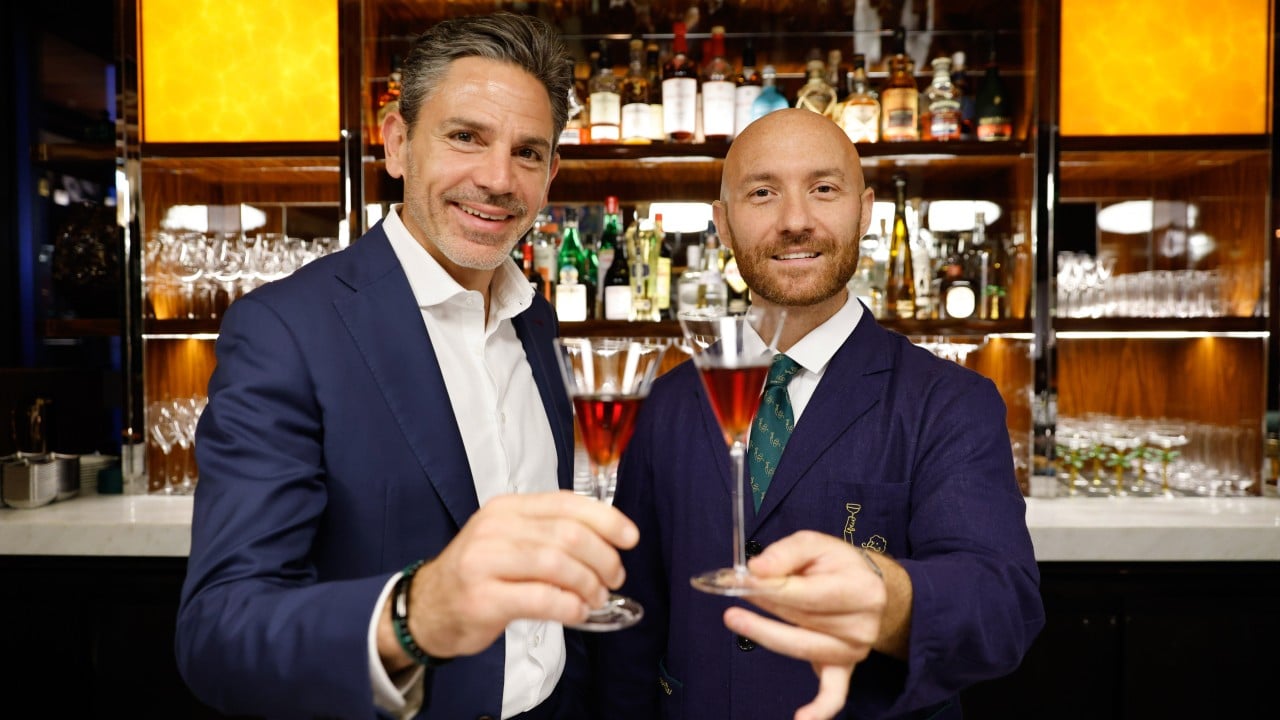
It is all gas and no brakes for the team behind Bar Leone, Hong Kong’s globally acclaimed cocktail maker. After clinching the No 1 spot for two consecutive years at The 50 Best Bars awards in 2025 and 2026, the team is launching a new bar concept in collaboration with Rosewood Hong Kong. On November 25, Bar Camillo will open on the luxury hotel’s fifth floor in Tsim Sha Tsui, Kowloon. It replaces the former speakeasy XX and boasts an elegant balcony overlooking Victoria Harbour. Lorenzo...

Trump’s Extraordinary Nvidia Intervention Sidelines National Security Concerns
President Trump’s move to put Jensen Huang back at the helm of Nvidia caps his indifference to the warnings of his own intelligence agencies.

Put That Checked Bag Down...Turns Out You Don't Need It If You Follow These 42 Tips
Turns out you *can* pack in just a carry-on and still bring everything you need. View Entire Post ›

You'll Want To Bookmark Every Single Thing From "On My Way" Before You Even Finish Scrolling
Say hello to our new travel brand. View Entire Post ›

Jensen Huang Returns to Nvidia After President Trump Intervenes
Mr. Trump, a close ally of Mr. Huang, led a campaign to assure the chip company’s board that the longtime chief executive did not present a national security risk.

I pay £250 a month for someone else to do my life admin - it's worth it
Busy mothers on both sides of the Atlantic are paying companies to handle their to-do lists.

Best things to do in Guiyang, China’s fermented food and coffee mecca
Guiyang, the capital of Guizhou province, is a place where lush mountains and ancient karst landscapes meet youthful urban culture, and various ethnic communities and their food cultures converge. The city’s food culture is rooted in herbs, fiery chillies and fermented dishes, from tomato broths and pickles to sour rice noodles. In recent years, innovative cafes, independent breweries and creative spaces have flourished alongside traditional food stalls. Yet the old and new rarely feel separate...
YOUR NEWS, OUR NETWORK.
Do you have Great News you want to tell the world?
Be it updates about your business or your community, you can make sure that it’s heard by submitting your story to our network reaching hundreds of news sites across 6 verticals.